“The $5,000 Rule”?
The air conditioning “5000 Rule” did not come from a government agency or a specific manufacturer. Instead, it developed organically as an industry rule-of-thumb used to help weigh repair costs against system replacement.
Example:
If your 8+ year old air conditioner or 15+ year old furnace just broke down, you’re probably weighing two options: pay for another repair while keeping your fingers crossed that it is money well spent or bite the bullet and take a big sum of money, that you would rather not have to spend, to replace your whole air conditioning system.
Here’s how “The $5,000 Rule” works:
Multiply the age of your HVAC system (in years) by the estimated cost of the repair (in dollars).
- If the result is less than $5,000, repairing the system is usually the smarter, more cost-effective choice.
- If the result is more than $5,000, it’s generally time to start seriously considering a full replacement.
A Couple of Quick Examples:
Example 1: Your system is 6+ years old, and the repair estimate is $600. 6 × $600 = $3,600 → Below $5,000. Repair is likely the better move.
Example 2: Your system is 14 years old, and the repair estimate is $700. 14 × $700 = $9,800 → Above $5,000. Replacement is probably worth investigating.
The idea behind the rule is simple: the older your system gets, the less sense it makes to keep pouring money into repairs, because the equipment is closer to the end of its lifespan. A $700 repair on a 3-year-old unit is a no-brainer. That same $700 repair on a 15-year-old unit is a warning sign that more (and pricier) problems are likely just around the corner.
Why This “Rule” Is More Helpful Than Ever Right Now
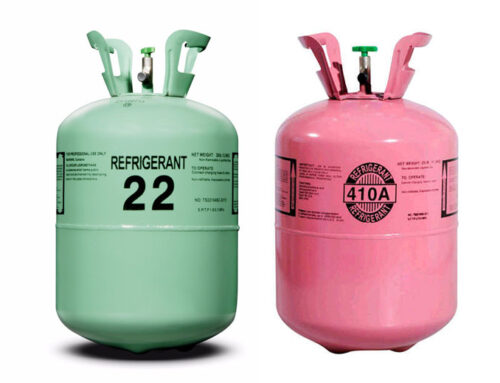
The $5,000 Rule has been a helpful guideline for years, but it’s especially relevant today. HVAC equipment costs have risen significantly in recent years due to a combination of factors — new refrigerant regulations, higher-efficiency requirements raise the cost to manufacture, supply chain pressures, and increased material and labor costs. That means both repairs and replacements come with a higher price tag than they used to.
This actually cuts both ways:
- On one hand, a repair that might have easily cleared the $5,000 threshold a few years ago might land right on the edge today, simply because parts and labor cost more.
- On the other hand, replacement systems are more expensive than the unit currently in place, which makes it even more important to get an accurate repair estimate before deciding to walk away from a unit that might still have a few good years left in it.
Bottom line: don’t rely on memory or old assumptions about pricing. Always get a current, written estimate from an experienced licensed technician before running the numbers.
And Don’t Forget About Your Warranty
Before you do any math, check whether your system is still under manufacturer parts or labor warranty. If it is, the equation changes significantly — a repair that would otherwise tip you toward replacement might cost you little to nothing out of pocket.
A few things worth checking:
- Parts warranty: Many manufacturers cover major components (compressors, heat exchangers, etc.) for 10 years or more from the original installation date.
- Labor warranty: Some installers include labor coverage for a set number of years, separate from the manufacturer’s parts warranty.
- Registration requirements: Many warranties require you to register the equipment within 60-90 days of installation, or the coverage window shrinks. It’s worth digging up your paperwork (or asking the installer) to confirm your registration is on file. At Central City Air, we always register equipment for you and provide you a copy, and we keep a printed copy in our folder for your home.
If your system is still under warranty, a repair is almost always going to be the more economical choice, even on an older unit — so it’s worth checking.
Ways You can take to Avoid This Decision in the First Place:
Annual Maintenance
The best way to stay out of the “repair or replace” dilemma is to keep your system running efficiently for as long as possible. The single most effective thing you can do for that is scheduling a professional maintenance checkup at least once a year (ideally once for your cooling system in spring, and once for your heating system in fall).
Here’s why annual service checkups matter so much:
- They catch small problems before they become expensive ones. A worn belt, a low refrigerant charge, or a dirty coil is a cheap fix today and a costly breakdown tomorrow if left unaddressed.
- They protect your energy bills. A well-maintained system runs more efficiently, which means lower monthly utility costs.
- They extend the life of your equipment. Consistent maintenance is one of the biggest factors in whether a system lasts 5-7 years or 10+.
- They often keep your warranty valid. Many manufacturers require proof of annual professional maintenance to honor a warranty claim — skipping service visits can actually void your coverage.
A few simple habits between professional visits also go a long way:
- Replace or clean your air filter every 1-3 months.
- Keep outdoor units clear of debris, leaves, and overgrown vegetation.
- Keep an eye (and an ear) out for unusual noises, smells, or a noticeable drop in airflow, and call a technician sooner rather than later if something seems off.
The Bottom Line
The $5,000 Rule isn’t a hard-and-fast law — it’s a helpful gut check to bring some clarity to a decision that can otherwise feel overwhelming. Multiply your system’s age by the repair estimate, factor in whether you’re still under warranty, and use that number as a starting point for a conversation with your HVAC company.
And whichever way that math shakes out this time, the best way to avoid facing this decision again anytime soon is simple: keep up with annual maintenance.
Not sure which side of the $5,000 Rule your system falls on? We are happy to provide a straightforward repair estimate and help you weigh your options — no pressure, just honest advice.
Give us a call at 713-861-1977 to schedule an appointment today.